
Nova York suspende novos data centers acima de 50 MW
Nova York se tornou o primeiro estado americano a impor uma moratória estadual sobre novos data centers de hiperescala, e o fez com uma ordem executiva que pausa projetos de 50 MW ou mais enquanto o estado avalia os impactos reais na rede elétrica, na água e no ar. O boom de infraestrutura de IA acaba de encontrar seu primeiro muro regulatório nos EUA. Se você projeta workloads em nuvem ou plataformas de IA, isso não é uma notícia local: é um sinal de que a seleção de região virou decisão de risco.
Em resumo
O que Nova York fez
Em aproximadamente 14 de julho de 2026, a governadora Kathy Hochul assinou uma ordem executiva que instrui o Departamento de Conservação Ambiental (DEC) a pausar aplicações de licenças discricionárias estaduais para novos data centers ou expansões que consumam 50 MW ou mais. A pausa se aplica a pedidos que ainda não tinham sido considerados completos antes da assinatura da ordem.
A duração máxima é de um ano, mas pode ser encerrada antes caso o estado conclua um Estudo de Impacto Ambiental Genérico (GEIS). O Departamento de Serviços Públicos (DPS) lidera esse estudo, com foco em demanda energética, uso e qualidade da água, e qualidade do ar. A Empire State Development (ESD) também participa do processo.
Dentro de 60 dias, o estado deve publicar um Community Investment Framework (CIF), criando um mecanismo para que comunidades anfitriãs negociem investimentos locais com os operadores. Além disso, o DPS deve avaliar a criação de um 'NY Grid Acceleration Fund' financiado pelos próprios operadores, e a governadora está buscando legislação para revogar isenções de imposto sobre vendas atualmente concedidas a grandes data centers.
Os números que importam
Por que agora: a IA e a pressão sobre a rede
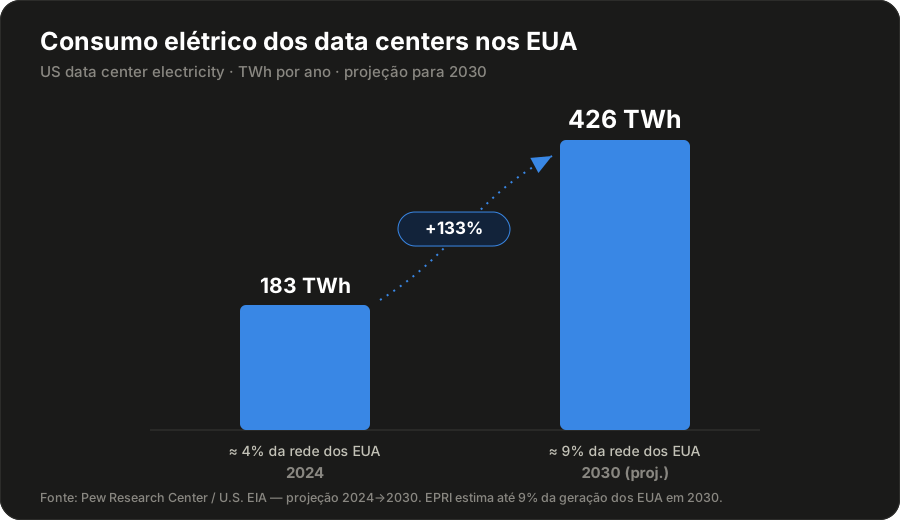
Os números justificam a urgência. Data centers nos EUA consumiram aproximadamente 183 TWh em 2024, representando mais de 4% de toda a eletricidade americana. As projeções apontam para 426 TWh até 2030: um crescimento de +133% em seis anos. O EPRI estima que data centers podem chegar a até 9% da geração elétrica americana até o final da década.
A inteligência artificial é o principal motor dessa aceleração. Hoje, workloads de IA respondem por cerca de 20% do consumo energético dos data centers; essa fatia deve dobrar para aproximadamente 40% até 2030. Treinar modelos de linguagem de grande escala e servir inferência em tempo real exige densidade de poder que infraestruturas tradicionais simplesmente não foram projetadas para suportar.
Nova York não está agindo no vácuo. O estado tem metas climáticas ambiciosas e uma rede elétrica que já enfrenta pressões de capacidade. Aprovar projetos de hiperescala sem uma avaliação sistêmica seria, na prática, hipotecar a transição energética do estado para subsidiar a expansão de infraestrutura privada. A moratória é, antes de tudo, uma tentativa de recuperar controle sobre o ritmo dessa transformação.
Água, tarifas e quem paga a conta
Energia elétrica é o custo mais visível, mas não é o único recurso sob pressão. Data centers de hiperescala dependem de grandes volumes de água para resfriamento: torres de resfriamento evaporativo podem consumir milhões de litros por dia em uma única instalação. O GEIS conduzido pelo DPS vai examinar exatamente esse impacto sobre uso e qualidade da água, um ponto frequentemente ignorado nos debates sobre sustentabilidade de infraestrutura de TI.
No lado econômico, o argumento da governadora é direto: quando a demanda de data centers pressiona a rede, os custos de expansão e modernização da infraestrutura elétrica são frequentemente socializados, repassados nas tarifas de energia de residências e pequenas empresas. Da mesma forma, quando projetos de grande escala são cancelados ou reduzidos, os custos de infraestrutura já comprometida podem recair sobre o público.
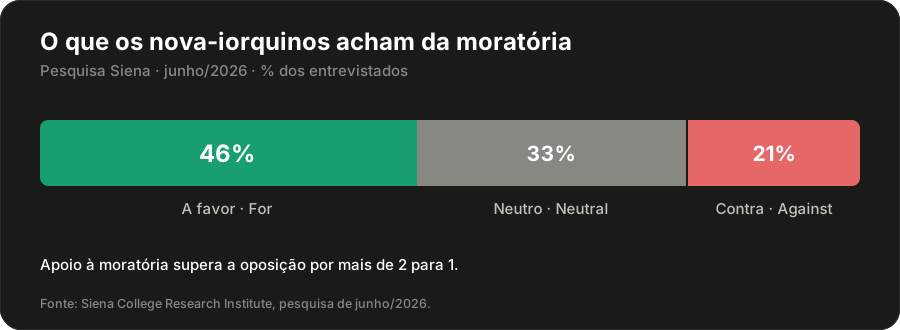
Uma pesquisa Siena de junho de 2026 encontrou que 46% dos nova-iorquinos consideraram a moratória de um ano uma boa ideia, contra apenas 21% contrários. Esse dado político importa: ele sinaliza que regulação energética de data centers tem base popular, o que torna políticas similares mais prováveis em outros estados.
O que fica de fora da moratória
A ordem executiva foi redigida com exclusões deliberadas que revelam as prioridades do estado. Instalações cujo uso primário é manufatura, pesquisa, educação ou assistência médica estão fora do escopo, mesmo que consumam 50 MW ou mais. Isso protege hospitais, universidades, laboratórios de pesquisa e plantas industriais de serem inadvertidamente paralisados por uma regra voltada a operadores de nuvem e IA.
Igualmente importante: pedidos de licença já considerados completos pelo DEC antes da assinatura da ordem executiva seguem tramitando normalmente. Isso evita retroatividade e protege investimentos que já passaram pelo processo regulatório.
Essas exclusões importam para arquitetos porque definem onde a pressão regulatória não vai incidir, ao menos por ora. Workloads de pesquisa acadêmica ou sistemas hospitalares hospedados em infraestrutura dedicada e classificada corretamente podem estar em posição diferente de uma plataforma de inferência de IA de uso geral. O escopo importa tanto quanto a regra em si.
O alcance da moratória: dentro × fora
| Sujeito à pausa | Fora do escopo | |
|---|---|---|
| Tipo de projeto | Data centers hyperscale ≥ 50 MW (novos ou expansão) | Manufatura, pesquisa, educação e saúde |
| Licenciamento | Pedidos estaduais ainda incompletos | Pedidos já considerados completos antes da ordem |
| Gatilho de energia | ≥ 50 MW de consumo | Abaixo de 50 MW |
O que isso significa para arquitetos de nuvem e IA
Vou ser direto: seleção de região deixou de ser apenas uma decisão de latência e compliance. Ela agora carrega risco regulatório e energético. Antes de fixar uma arquitetura em us-east-1 ou qualquer região com pressão de capacidade conhecida, você precisa entender o perfil energético daquela região, as metas climáticas do estado ou país, e a probabilidade de restrições futuras.
O pilar de Sustentabilidade do AWS Well-Architected não é mais um item de checklist para relatórios ESG. É uma alavanca operacional. Eficiência de workload: right-sizing agressivo, uso de Graviton, arquiteturas serverless, inferência otimizada com modelos menores ou quantizados: reduz diretamente o footprint de energia. Isso não é altruísmo; é resiliência arquitetural contra um ambiente regulatório que vai apertar.
FinOps precisa evoluir para o que estou chamando de 'PowerOps': energia como restrição de primeira classe, não apenas custo derivado. Isso significa rastrear consumo por workload, otimizar scheduling para janelas de menor intensidade de carbono, e usar ferramentas como o AWS Customer Carbon Footprint Tool e carbon-aware placement: hoje disponível via APIs como a Carbon Aware SDK.
Mais importante: projete para o padrão se espalhar. Nova York foi o primeiro estado, mas não será o último. Virginia, Texas, Oregon, todos os grandes hubs de data center, têm pressões similares de rede e água. Arquiteturas que dependem de expansão ilimitada de capacidade em uma única região são arquiteturas frágeis. Multi-region, workload portability e eficiência não são nice-to-haves; são hedge regulatório.
O sinal por trás da notícia
Energia está se tornando a restrição vinculante do compute, não largura de banda, não latência, não custo de instância. Quando um estado impõe moratória sobre infraestrutura física, ele está essencialmente dizendo que a camada de abstração da nuvem não isola mais os arquitetos das consequências do mundo físico. Eficiência de workload é a nova vantagem competitiva: quem conseguir entregar o mesmo resultado com menos watts vai ter acesso a capacidade, custos menores e menor exposição regulatória. Ignore isso e você estará projetando sobre uma fundação que reguladores em múltiplas jurisdições estão ativamente questionando.
O que vem a seguir
O GEIS tem até um ano para ser concluído, mas o DPS pode terminar antes, e o resultado vai definir o framework regulatório permanente para data centers em Nova York. Fique de olho nas audiências públicas do GEIS e no Community Investment Framework que deve ser publicado dentro de 60 dias: esses documentos vão revelar onde o estado quer chegar.
No cenário mais amplo, outros estados estão observando. Virginia, que abriga o maior cluster de data centers do mundo, já debate restrições de capacidade de rede. Texas e Oregon têm pressões hídricas e de geração. A União Europeia já opera com regulação de eficiência energética para data centers sob o European Green Deal. O padrão regulatório está convergindo globalmente.
Para arquitetos, os próximos 12 meses são uma janela para auditar dependências de capacidade regional, revisar estratégias de placement de workload e construir o caso de negócio para eficiência energética: antes que o ambiente regulatório force essa conversa de forma menos confortável.
Veredicto
Nova York não parou o crescimento da IA, pausou a expansão irresponsável de infraestrutura sem avaliação de impacto. A distinção importa. O que esta ordem sinaliza para a indústria é que a era do crescimento de capacidade sem fricção regulatória acabou. Arquitetos que tratarem eficiência energética como diferencial de design, e não como compliance de última hora, vão construir sistemas mais resilientes, mais baratos e mais defensáveis perante reguladores. A pergunta não é mais 'em qual região vou fazer o deploy?'; é 'essa região ainda vai ter capacidade disponível daqui a dois anos, e a que custo político e energético?'
Fontes
Continue lendo
Deep dives de arquitetura, AWS, IA e mercado: direto no seu email. Grátis.
Sem spam · cancele quando quiser
Pergunte ao Fernando sobre isto
Uma resposta focada sobre este artigo, do meu assistente de IA, baseada no meu trabalho.
Participe da conversa
Entre para comentar
Confirme seu e-mail para participar, você também recebe a newsletter. Sem senha.